Introduction to FPV Racing Drones
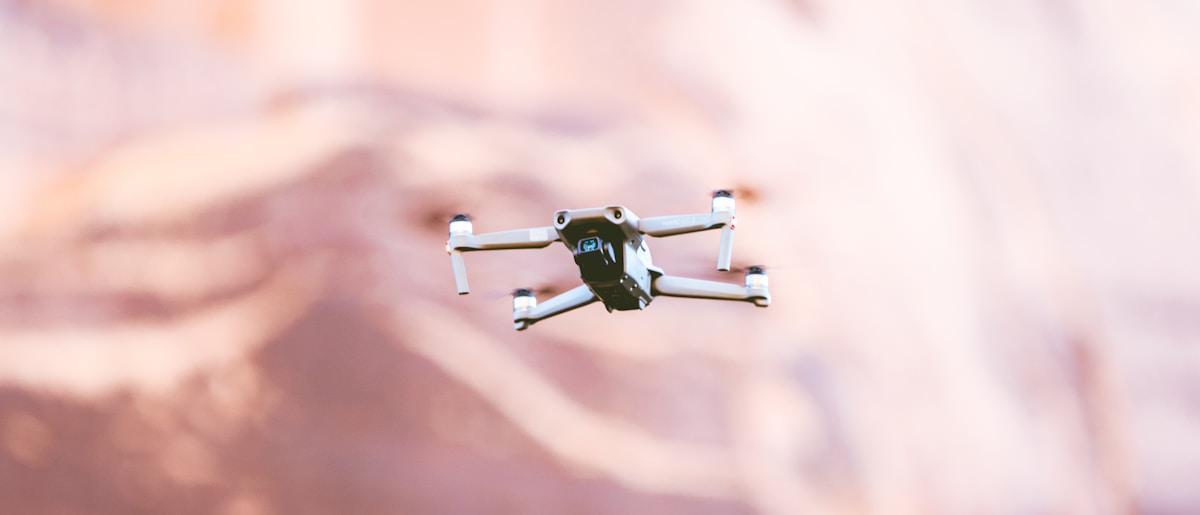
First-person view racing has evolved from hobbyist experimentation into a legitimate competitive sport with professional leagues, international championships, and growing mainstream recognition. Unlike camera drones designed for aerial photography or commercial applications, FPV racing quads prioritize speed, agility, and pilot skill above all else. This comprehensive guide explores the technology, techniques, and culture that define modern FPV racing, providing everything aspiring pilots need to begin their journey into this exhilarating discipline.
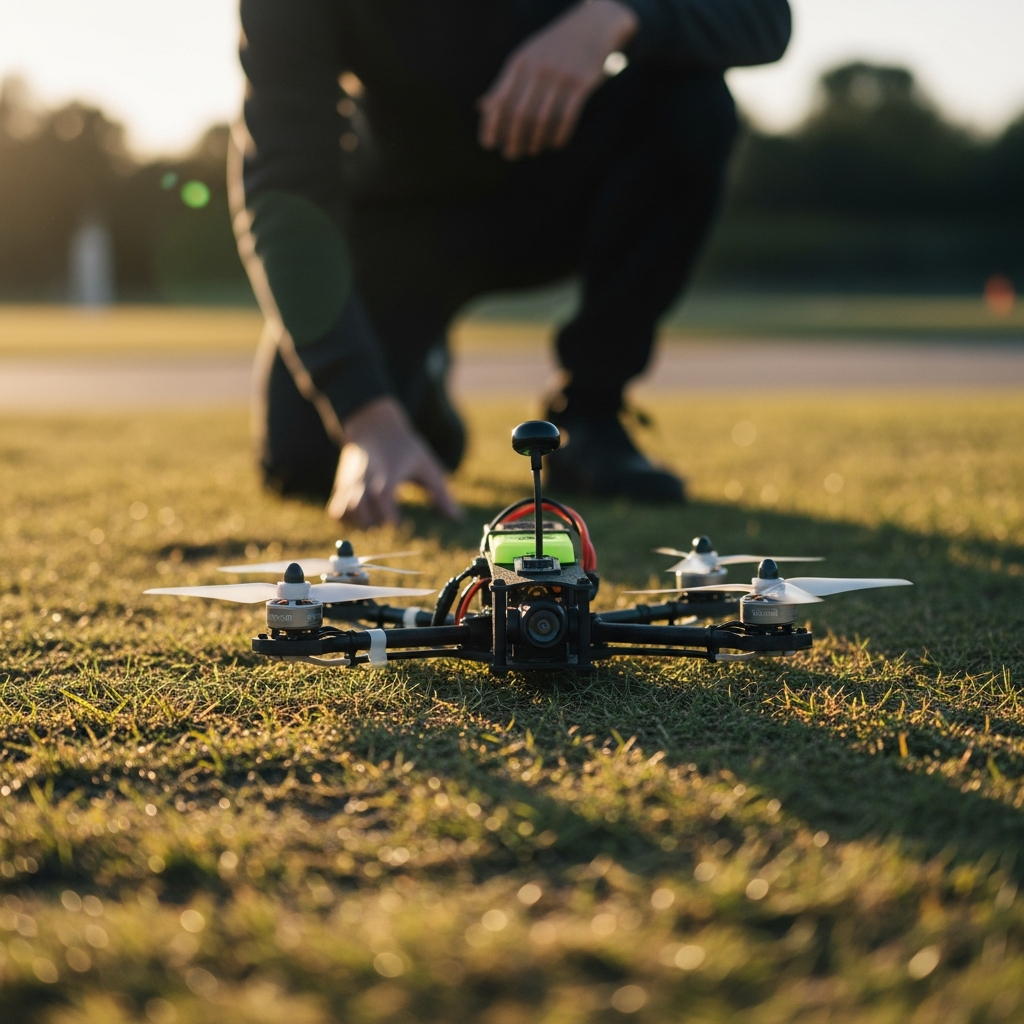
The FPV experience places pilots visually inside their aircraft through low-latency video transmission to specialized goggles or monitors. This immersive perspective enables precise control through complex courses at speeds exceeding 90 miles per hour. The combination of physical dexterity, spatial awareness, and split-second decision-making creates a uniquely demanding piloting discipline that attracts participants from gaming, motorsports, and traditional aviation backgrounds.
Understanding FPV Racing Technology
Racing drones differ fundamentally from commercial platforms in their design priorities. Where camera drones emphasize stability and autonomous features, racing quads maximize power-to-weight ratio and control responsiveness. This philosophical difference manifests in every component selection and configuration choice.
Frame design determines aircraft durability, weight, and aerodynamic characteristics. Most racing frames use carbon fiber construction with 5-inch propeller configurations, though smaller 3-inch and larger 7-inch classes exist for different racing formats. Frame geometry affects handling characteristics, with stretched-X configurations offering different flight feel than true-X or hybrid designs.
Motors provide the thrust that enables racing performance. Brushless motors are universally standard, with specifications described by size codes like 2207 indicating stator diameter and height in millimeters. Higher KV ratings indicate faster rotation per volt but reduced torque, creating tradeoffs between top speed and acceleration that pilots tune for specific racing conditions.
Electronic speed controllers (ESCs) translate flight controller commands into motor rotation. Modern racing ESCs support BLHeli_32 or AM32 firmware enabling rapid throttle response essential for racing maneuvers. ESC timing, motor timing, and complementary settings require tuning for optimal performance with specific motor and propeller combinations.
Flight controllers process pilot inputs and sensor data to maintain stable flight while allowing aggressive maneuvering. Betaflight firmware dominates racing applications, providing extensive tuning options for PID controllers, rates, and filtering. Proper flight controller tuning transforms an unstable aircraft into a precise racing instrument responsive to pilot intention.
Video System Fundamentals
The video transmission system creates the immersive experience defining FPV flight. Low latency proves critical for racing applications where even milliseconds of delay compromise reaction timing. Analog video systems traditionally offered lowest latency at reduced image quality, while digital systems provide clearer images with slightly increased delay.
Analog video transmitters broadcast on 5.8GHz frequencies using industry-standard protocols compatible across manufacturers. Power outputs typically range from 25mW for indoor racing to 600mW or higher for outdoor events. Higher power extends range but increases weight, heat, and battery consumption.
DJI’s digital FPV system revolutionized image quality with 720p/120fps transmission at competitive latency. The proprietary system requires DJI-compatible components but delivers dramatically improved visual clarity. Competing digital systems from Walksnail and HDZero offer alternative approaches with different feature sets and latency characteristics.
FPV cameras emphasize low-light performance and dynamic range over resolution. Racing often occurs in varied lighting conditions where cameras must transition instantly between bright and dark areas. Global shutter sensors prevent the rolling shutter artifacts that distort fast-moving imagery from standard cameras.
FPV goggles receive and display transmitted video while blocking ambient light for immersive viewing. Goggle selection affects image quality, field of view, and comfort during extended sessions. Fat Shark, Skyzone, and DJI produce popular options at various price points and feature levels.
Building Your First Racing Quad
Most serious racing pilots build custom aircraft tailored to their preferences and racing requirements. While ready-to-fly options exist, building develops understanding essential for maintenance, tuning, and competitive optimization. The build process also enables component selection matching specific performance goals and budget constraints.
Begin with component research appropriate to your experience level and budget. Entry-level builds using quality budget components can total under $300 for the aircraft alone, while competitive racing setups exceed $1000. Avoid extremely cheap components that compromise reliability or performance, but recognize that expensive parts don’t automatically create fast pilots.
Soldering skills prove essential for building and maintaining racing quads. Practice on scrap electronics before working on expensive components. Quality soldering equipment including temperature-controlled irons, flux, and proper solder makes the difference between reliable connections and intermittent failures during competition.
Assembly sequence matters for efficient building. Mount motors before installing the flight controller stack. Route wires thoughtfully to minimize electromagnetic interference and mechanical stress. Secure all connections against vibration that loosens hardware during aggressive flight.
Firmware configuration transforms assembled hardware into a flyable aircraft. Betaflight Configurator connects to flight controllers for motor direction verification, receiver binding, flight mode assignment, and initial tuning. Default settings provide reasonable starting points, but optimization requires iterative testing and adjustment.
Learning to Fly
Simulator practice builds fundamental skills without risking hardware damage or endangering surroundings. Modern simulators like Liftoff, Velocidrone, and DRL Simulator accurately model physics and control response. Connect your actual radio transmitter for realistic practice that transfers directly to real-world flying.
Invest significant simulator time before flying real aircraft. Fifty hours of simulator practice before first real flights isn’t excessive for complete beginners. Focus on fundamental maneuvers until they become automatic, building muscle memory that enables focus on strategy rather than basic control during actual racing.
Begin real-world flying in open areas away from obstacles and people. Large fields, empty parking lots, and open parks provide forgiving environments for early practice. Resist the temptation to attempt complex maneuvers before mastering basic throttle, pitch, roll, and yaw coordination.
Rate mode (also called acro mode) eliminates self-leveling assistance, requiring constant pilot input to maintain attitude. While more challenging initially, rate mode provides the control precision essential for advanced racing maneuvers. Avoid becoming dependent on angle or horizon modes that limit ultimate skill development.
Progressive skill building moves through hover stability, forward flight, basic turns, coordinated maneuvers, and eventually race-specific techniques. Each stage requires consolidation before advancing, as rushing creates bad habits that become difficult to correct. Patient, deliberate practice produces faster progress than aggressive attempts beyond current ability.
Racing Formats and Competition
MultiGP operates the largest grassroots racing organization in the United States, sanctioning local chapters and establishing standardized competition formats. Local chapters provide entry points for new racers, offering practice events, training, and competitive races accessible to beginners.
Time trial formats measure individual performance around standardized courses. Pilots fly solo attempting fastest lap times without direct competitor interaction. This format favors consistency and course optimization over tactical racing skills.
Head-to-head racing places multiple pilots on course simultaneously, creating dynamic competition where positioning, passing, and tactical decisions determine outcomes beyond raw speed. Most spectator-oriented events use head-to-head formats for their dramatic competitive tension.
Course designs range from simple gate sequences appropriate for beginners to complex three-dimensional layouts challenging professional pilots. Standard gates, dive gates, hurdles, and split-S elements combine into courses testing different skill aspects. Learning efficient lines through various course elements proves as important as raw piloting speed.
Drone Racing League (DRL) represents the professional pinnacle of the sport, featuring purpose-built courses, standardized aircraft, and broadcast events reaching mainstream audiences. DRL pilots compete for significant prize money while promoting the sport to viewers unfamiliar with hobby-level racing.
Tuning and Optimization
PID tuning adjusts the feedback loops maintaining flight stability. Proportional, integral, and derivative terms control how aggressively the flight controller corrects errors and how quickly it responds to pilot inputs. Proper tuning eliminates oscillation while maximizing responsiveness.
Filter settings balance noise rejection against latency. Motors and propellers generate vibration that sensors detect as noise, requiring filtering before use in control calculations. Excessive filtering delays response while insufficient filtering causes erratic behavior. Modern tuning approaches like RPM filtering target specific noise frequencies without broad latency penalties.
Rate curves define how stick movement translates into aircraft rotation speed. Racing typically uses higher rates than casual flying, enabling rapid orientation changes. Expo settings soften stick response around center positions for precision control while maintaining aggressive rates at full deflection.
Motor timing and demag settings optimize ESC performance for specific motor characteristics. Improper timing reduces efficiency and can cause desync events where motors momentarily stop during flight. Testing and adjustment ensures reliable performance through aggressive maneuvers.
Propeller selection affects thrust, efficiency, and flight characteristics. Aggressive pitch increases top speed but reduces efficiency and increases motor heat. Different propeller brands and models with identical specifications often fly noticeably differently, requiring experimentation to find optimal choices for your setup and flying style.
Maintenance and Reliability
Racing subjects aircraft to significant stress and occasional crashes. Establishing maintenance routines ensures reliability and catches problems before they cause failures during competition.
Pre-flight checks verify propeller security, motor function, battery voltage, and video transmission quality. Walking through systematic checks prevents easily avoidable problems that could end a race or damage equipment.
Post-crash inspection examines frames for cracks, motors for bearing damage, and electronics for loose connections. Carbon fiber frames can develop hidden damage that progresses to structural failure during subsequent flights. Replace questionable components rather than risking mid-air failures.
Battery maintenance maximizes pack lifespan and performance. Storage charge batteries not used immediately after flying. Dispose of damaged cells safely. Track pack performance over time to retire degraded batteries before they cause problems.
Spare parts inventory prevents extended downtime when components fail. Stock motors, ESCs, propellers, and commonly damaged frame pieces. The ability to quickly repair and return to flying maintains practice momentum essential for skill development.
Community and Resources
Online communities provide support, knowledge sharing, and connection with other pilots. Reddit communities, Facebook groups, and dedicated forums offer answers to technical questions and discussion of racing topics. YouTube channels from experienced pilots demonstrate techniques and build tutorials.
Local flying groups enable in-person practice and mentorship that accelerates learning. Experienced pilots often welcome newcomers enthusiastically, sharing knowledge that took them years to develop. Find local groups through MultiGP chapter maps, hobby shop bulletin boards, or social media searches for your area.
Continuous learning characterizes successful racing pilots. Technology evolves rapidly, techniques improve, and competition intensifies. Pilots who stop learning fall behind those embracing ongoing development. Approach racing as a perpetual learning journey rather than a destination to reach.
Conclusion
FPV racing combines cutting-edge technology with physical skill and competitive spirit in ways unique among both aviation disciplines and electronic sports. The journey from curious beginner to competent racer requires significant investment in equipment, practice time, and knowledge acquisition. Yet the rewards of piloting skill development, community connection, and competitive achievement justify the effort for those drawn to this demanding discipline. Whether pursuing casual enjoyment or competitive success, FPV racing offers depth and challenge sufficient to engage pilots for years of continued growth and satisfaction.


Stay in the loop
Get the latest light drones updates delivered to your inbox.