
Complete Guide to FAA Drone Regulations and Compliance
Navigating Federal Aviation Administration regulations represents an essential responsibility for every drone operator in the United States. Whether flying recreationally or commercially, understanding the rules that govern unmanned aircraft systems ensures safe operations and legal compliance. This comprehensive hub connects you to detailed resources covering certification requirements, airspace authorization, and operational limitations that shape how drones can be flown.
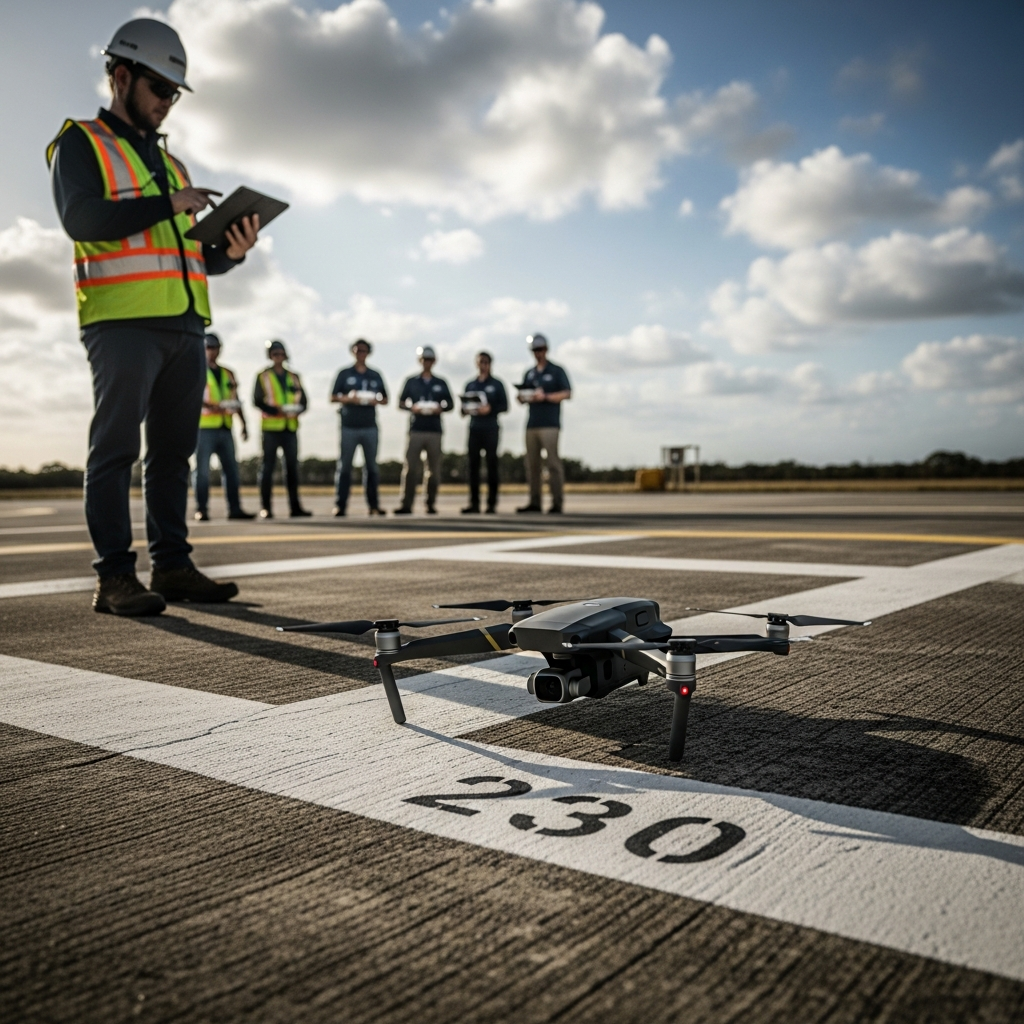
The regulatory landscape continues evolving as the FAA balances safety concerns with the growing capabilities and applications of drone technology. From recreational guidance updates to commercial certification requirements, staying current ensures your operations remain compliant with federal aviation law.
Pilot Certification
Part 107 Commercial Certification
Part 107 certification establishes the pathway to legal commercial drone operations. The Remote Pilot Certificate requires passing a knowledge test covering regulations, airspace, weather, and operations. Certificate programs provide structured preparation for examination success.
Essential training extends beyond test preparation to practical skills that make certificated pilots effective and safe. Degree programs offer comprehensive education for those pursuing professional careers in unmanned aviation.
Training and Education
International training requirements affect U.S. pilots traveling abroad. Understanding foreign regulations prevents violations that could create legal problems or jeopardize flying privileges.
Airspace Rules and Authorization
Understanding Airspace Classifications
Airspace categories determine where drones can operate and what authorizations are required. Class B, C, D, and E airspace surrounding airports requires specific authorization before flight operations. Understanding these boundaries prevents airspace violations that endanger manned aircraft.
FAA facility maps provide altitude grids indicating pre-approved flight ceilings within controlled airspace. LAANC (Low Altitude Authorization and Notification Capability) enables near-real-time approval for operations within published grid limits.
Operational Limitations
Ultralight regulations establish weight thresholds affecting registration and operational requirements. The 250-gram threshold creates simplified requirements for the lightest aircraft. Safety responsibilities apply regardless of size or regulatory category.
Registration and Remote ID
Drone Registration Requirements
Aircraft weighing more than 0.55 pounds require FAA registration through DroneZone. Registration numbers must be displayed on the aircraft and available for inspection by authorities. The registration process is straightforward and inexpensive but legally mandatory for most drones.
Remote ID Implementation
Remote ID technology broadcasts identification information from airborne drones, enabling authorities and other airspace users to identify aircraft. Implementation advances continue as the mandate takes effect. Understanding Remote ID requirements ensures compliance with this evolving standard.
Special Operations and Waivers
Night Operations
Current regulations permit night operations with appropriate anti-collision lighting visible for three statute miles. Previous waiver requirements have been relaxed, but pilots must understand lighting requirements and adjust procedures for reduced visibility conditions.
Beyond Visual Line of Sight
BVLOS operations represent an expanding frontier for commercial applications. Current regulations generally require visual observers maintaining aircraft visibility, though waivers enable extended operations under specific conditions. Regulatory evolution toward routine BVLOS authorization continues.
Operations Over People
Categories established for operations over people enable certain aircraft to fly over non-participants without waivers. Understanding which aircraft qualify and what operational restrictions apply ensures compliance with these relatively new rules.
Incident Reporting and Safety
Near-Miss Procedures
Near-miss incident guidance establishes reporting procedures when drones encounter manned aircraft unexpectedly. Understanding these procedures enables appropriate response to potentially dangerous situations.
Accident Reporting
Serious accidents causing injury or significant property damage require FAA notification within specific timeframes. Knowing when and how to report ensures compliance with legal obligations following incidents.
Industry Events and Updates
FAA Symposiums
FAA symposiums provide opportunities to learn about regulatory developments and agency priorities directly from officials. These events offer valuable networking and educational opportunities for serious operators.
Test Sites and Research
UAS test sites enable research and development activities supporting regulatory advancement. These facilities generate data informing FAA rulemaking and demonstrate capabilities that may become routine operations.
International Considerations
European Union regulations affect U.S. pilots traveling abroad. Different countries maintain varying requirements that may be more or less restrictive than domestic rules. Research destination requirements before international travel with drone equipment.
Future Regulatory Development
The regulatory landscape continues evolving toward greater operational flexibility while maintaining safety standards. UAS Traffic Management (UTM) concepts may eventually enable more complex operations in shared airspace. Staying informed about proposed rules enables proactive compliance preparation.
Regulatory compliance represents the foundation of responsible drone operations. Understanding and following FAA requirements protects pilots, the public, and the broader aviation community while demonstrating that unmanned aircraft can integrate safely into the national airspace system.


Stay in the loop
Get the latest light drones updates delivered to your inbox.