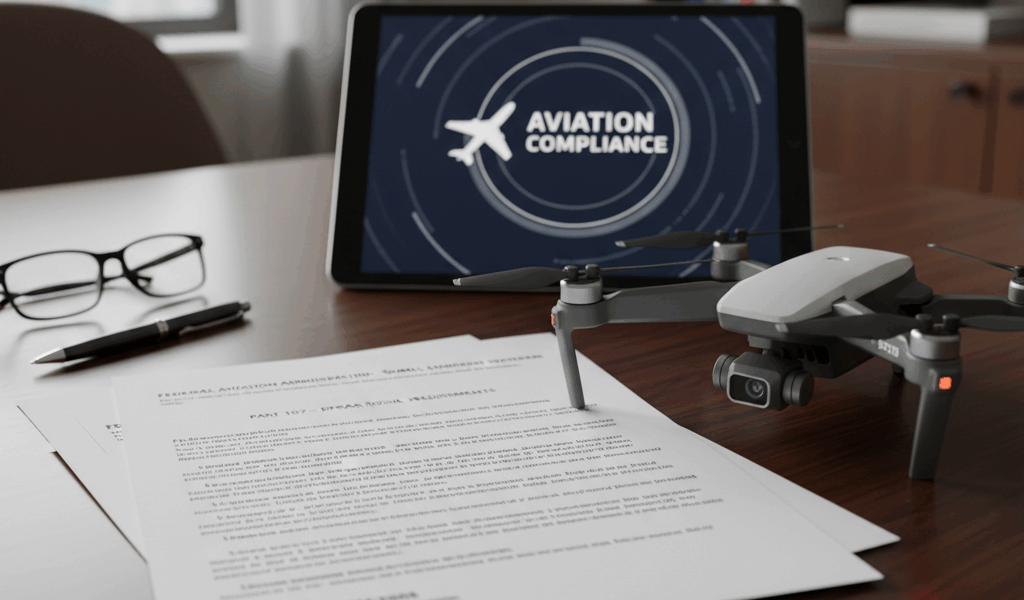
FAA regulations for lightweight drones have gotten complicated with all the rule changes flying around in 2026. As someone who’s been flying sub-250g drones since the DJI Mini first dropped, I learned everything there is to know about why that weight limit exists and where it’s heading. Today, I’ll break down what the regulatory future looks like for lightweight UAS.
Why 250 Grams Became the Magic Number
That’s what makes the sub-250g category endearing to us recreational pilots — the FAA basically said anything under this weight poses low enough risk that we don’t need to register it for non-commercial use. The threshold came from risk assessments and international coordination, and manufacturers have been engineering products to hit exactly 249 grams ever since.
The weight applies to total takeoff weight. Batteries, cameras, prop guards, any accessories — it all counts. That creates real engineering challenges when companies want to pack better sensors and longer flight times into a package that can’t exceed a specific number. The constraints drive innovation, but they also limit what these little aircraft can actually do.
Probably should have led with this: the registration exemption only applies to recreational flying. The moment you use that same drone for any commercial purpose — real estate photos, inspection work, content creation that makes money — you need Part 107 certification regardless of how much the aircraft weighs.
Remote ID Changed Everything
Remote ID is the biggest regulatory shift affecting sub-250g drones in recent years. Every drone now needs to broadcast identification and location data during flight so authorities can figure out who’s operating what and where.
Most new drones ship with Standard Remote ID built in. If you’re flying something older, you either need a retrofit module or you’re limited to FAA-Recognized Identification Areas (FRIAs). The FAA has extended compliance deadlines a few times, but full enforcement is coming.
Here’s the thing: Remote ID doesn’t actually change where you can fly. It just adds an identification layer to flights you were already allowed to make. For pilots with compliant aircraft, the practical impact is basically zero beyond the initial compliance check.
LAANC Makes Controlled Airspace Accessible
Low Altitude Authorization and Notification Capability (LAANC) is one of the better regulatory developments for recreational pilots. The system provides automated authorization for flights in controlled airspace that used to require complicated waiver applications.
Sub-250g drones benefit from LAANC the same as larger aircraft. You can get instant authorization through compatible apps for many controlled airspace locations. Coverage keeps expanding as more airports join the program, and areas that once required weeks of paperwork now permit quick approvals.
This trend points toward expanded recreational access rather than restriction, which is refreshing given how regulatory conversations usually go.
Will the 250 Gram Threshold Change?
The threshold has stayed stable since implementation, but that doesn’t mean it’s permanent. Arguments exist in both directions.
Some international jurisdictions use lower thresholds for registration exemptions, and safety advocates argue that lighter drones cause less harm in collisions. On the flip side, modern lightweight drones regularly exceed 250 grams while presenting minimal additional risk compared to their sub-250g siblings. Raising the limit would simplify engineering and give consumers more options.
No concrete proposals are currently seeking threshold changes, but pilots flying drones engineered to hit exactly 249 grams should recognize the possibility exists. If the threshold drops, those aircraft might suddenly require registration.
Commercial Operations Under Part 107
Part 107 rules apply regardless of drone weight. If you’re making money with your Mini — real estate, inspections, paid content — you need commercial certification.
The good news is Category 1 certification specifically targets sub-250g drones, allowing operations over people without the impact-resistant requirements larger aircraft face. That makes lightweight drones attractive for commercial work in populated areas where bigger drones hit regulatory barriers.
The Part 107 knowledge test isn’t difficult if you study for it. Recent rule changes expanding operations over people have made commercial possibilities more practical for lightweight drone operators.
State and Local Rules Create Confusion
Federal preemption limits what state and local governments can legally do regarding drone operations, but enforcement remains inconsistent. You’ll see parks, beaches, and public spaces posting drone restrictions that may or may not actually apply depending on specific circumstances.
Private property rights are clear though: property owners can restrict flights over their land. Federal rules govern airspace, but property rights govern what happens near the ground. This distinction matters and gets overlooked in a lot of online arguments about drone legality.
Don’t Assume Your Drone Is Legal Abroad
Sub-250g exemptions that work in the US may not exist where you’re traveling. European, Asian, and other jurisdictions maintain completely different drone rules. Registration requirements, certification, flight restrictions, and import rules vary substantially between countries.
Some countries prohibit drone import or operation by foreign nationals entirely. I’ve seen travelers get equipment confiscated at customs because they assumed their US-legal drone would fly anywhere. Research destination requirements before you pack.
Technology Creates Regulatory Pressure Both Ways
Improved obstacle avoidance and better GPS/geofencing could support relaxed restrictions by reducing collision risk and airspace violations. But improved cameras and longer range create privacy and security concerns that push in the other direction.
The regulatory response to technology cuts both ways. New capabilities enable new applications but also generate new concerns. This back-and-forth will continue as long as drone technology keeps advancing.
What Actually Protects Recreational Flying
Safe operation, respect for privacy, and courteous community engagement protect hobby freedoms more effectively than any regulatory advocacy. Every high-profile incident involving reckless drone operation generates pressure for new restrictions.
Flying responsibly protects not just individual pilots but the broader drone community. The regulations we end up with reflect how pilots actually behave, not how we claim we’ll behave.
Staying Informed as Rules Evolve
Regulatory changes go through formal processes with advance notice. Subscribe to FAA drone updates, follow community news sources, and participate in comment periods when proposed rules affect your interests. Industry groups like the Academy of Model Aeronautics (AMA) advocate for reasonable regulation, and community engagement helps shape outcomes.
The sub-250g category will keep evolving as technology advances and safety data accumulates. Pilots who stay informed and fly responsibly will be fine regardless of what specific rules look like in five years.


Stay in the loop
Get the latest wildlife research and conservation news delivered to your inbox.