Drone Camera Capabilities of Modern guidance has gotten complicated with all the outdated regulations and conflicting advice flying around. Here’s what you actually need to know.
The question used to be whether a sub-250g drone could produce professional-quality images. Today, the question has shifted to how professionals can best leverage these capable compact aircraft. Modern mini drones pack impressive camera technology into incredibly small packages, delivering results that rival much larger systems from just a few years ago.
Camera Capabilities of Modern Mini Drones
The DJI Mini 4 Pro represents the current pinnacle of sub-250g drone photography. Its 1/1.3-inch CMOS sensor captures 48MP stills and records 4K video at up to 100fps. The larger sensor size compared to earlier Mini generations translates directly to better low-light performance and improved dynamic range.
The DJI Mini 3 Pro offers similar professional-grade capabilities with its 1/1.3-inch sensor delivering 48MP photos and 4K/60fps video. Both drones support shooting in RAW format, which is essential for professionals who need maximum flexibility in post-processing.
Even the standard DJI Mini 3 with its smaller 1/2.3-inch sensor produces impressive results suitable for many professional applications, particularly when lighting conditions are favorable.
Understanding Sensor Size and Image Quality
Sensor size directly impacts image quality in several ways. Larger sensors capture more light, resulting in cleaner images with less noise, especially in challenging lighting. They also produce shallower depth of field and better dynamic range, allowing you to retain detail in both shadows and highlights.
The 1/1.3-inch sensors in flagship mini drones represent a significant advancement over the 1/2.3-inch sensors found in entry-level models. This difference becomes most apparent in low-light situations and high-contrast scenes where the larger sensor maintains detail that smaller sensors struggle to capture.
For professional work, understanding your sensor’s limitations helps you plan shoots around optimal lighting conditions and know when to bracket exposures for later HDR processing.
Best Settings for Professional Results
Shooting in Manual mode gives you complete control over exposure settings. For the sharpest images, keep ISO as low as possible (100-200) and adjust aperture and shutter speed accordingly. Most mini drones have fixed apertures, so ISO and shutter speed are your primary exposure controls.
Always shoot in RAW format when image quality matters. RAW files contain all the sensor data, allowing extensive adjustments to exposure, white balance, and color in post-processing without degrading image quality. JPEG files discard this information, limiting your editing options.
For video, follow the 180-degree shutter rule by setting shutter speed to double your frame rate. Use ND filters to achieve this in bright conditions. Enable D-Log or D-Cinelike color profiles to maximize dynamic range and maintain flexibility in color grading.
Shooting Techniques for Mini Drones
Mini drones face unique challenges due to their light weight. Wind affects stability more than with heavier aircraft, so plan shoots during calmer conditions. Early morning often provides both beautiful light and minimal wind.
Use the drone’s GPS hover capabilities to your advantage. Lock position and let the gimbal’s stabilization do its work rather than fighting to maintain position manually. For video, smooth stick inputs are essential. Many professionals use gradual movements and let clips run longer than needed to ensure usable footage without abrupt starts or stops.
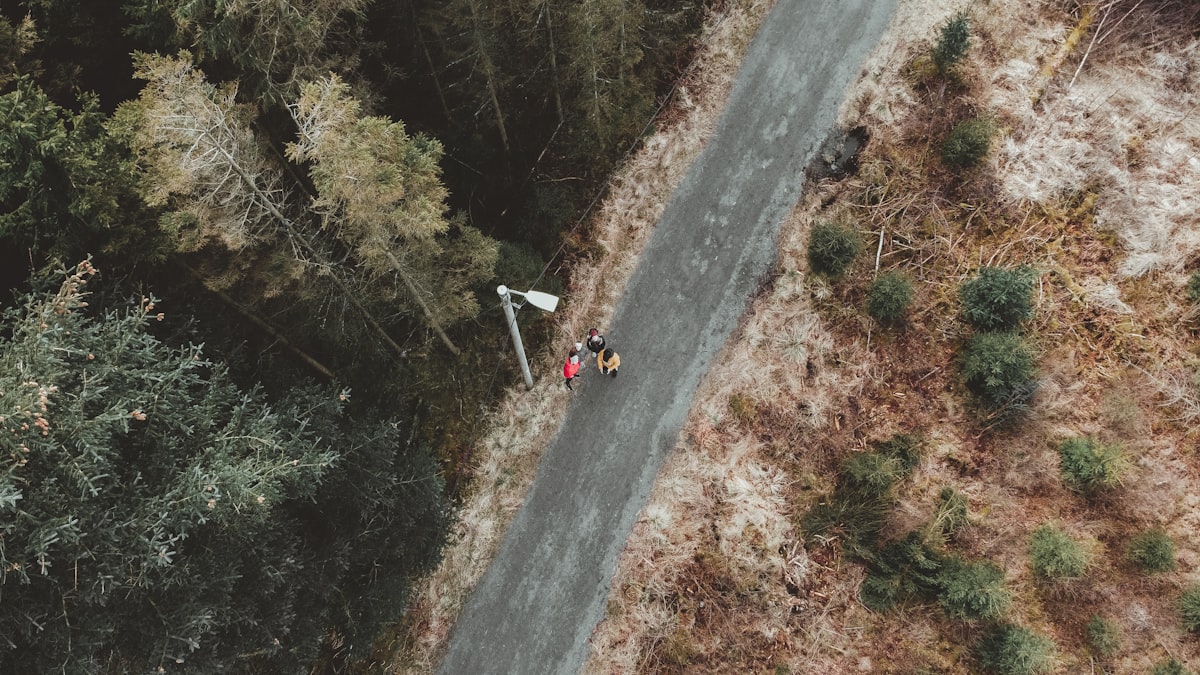
Altitude and distance from subjects affect composition significantly. Mini drones excel at perspectives that would be difficult or expensive to achieve otherwise. Experiment with top-down perspectives, reveal shots, and parallax movements that showcase the unique vantage point aerial photography provides.
Post-Processing Tips
RAW files from mini drones benefit from careful processing. Start with lens correction profiles to address any distortion or vignetting. Adjust exposure and recover highlights and shadows to maximize the dynamic range captured by the sensor.
Noise reduction becomes important for images shot at higher ISOs or in low light. Modern software like Adobe Lightroom or DxO PhotoLab handles this well, but apply noise reduction judiciously to avoid losing fine detail.
Color grading transforms good footage into professional-quality video. Starting from a flat color profile gives you maximum control. Build a consistent look that matches your creative vision or client requirements, and save presets for efficient batch processing.
Real-World Professional Applications
Real estate photography has embraced mini drones enthusiastically. The combination of portability, quiet operation, and high image quality makes them ideal for property shoots. Many real estate photographers prefer mini drones for residential work due to easier transport and reduced client concerns about large aircraft.
Content creators and social media professionals find mini drones invaluable for travel content. The sub-250g weight simplifies international travel regulations in many countries, and the compact size means the drone is always ready without dedicated luggage.
Event documentation, construction progress monitoring, and landscape photography all benefit from mini drone capabilities. The key is understanding what these aircraft do well and planning shoots to leverage their strengths.
Limitations and Practical Workarounds
Mini drones do have genuine limitations. Wind tolerance is lower than larger aircraft, typically maxing out around 25 mph. Flight time per battery averages 30-45 minutes, requiring careful planning for extensive shoots.
Low-light performance, while improved, still cannot match larger sensors. Plan critical shoots around golden hour when possible, or bring supplemental lighting for controlled environments.
The fixed aperture on most mini drones limits creative depth-of-field control. Compensate by adjusting subject distance and using altitude strategically. Post-processing techniques like gradient masks can simulate some depth effects when needed.
Despite these constraints, modern mini drones deliver professional results across a wide range of applications. The technology has matured to the point where the sub-250g category represents a legitimate tool for serious aerial photography, not just a hobbyist toy. Understanding both capabilities and limitations allows professionals to deploy these compact aircraft effectively alongside larger systems in their toolkit.

Stay in the loop
Get the latest light drones updates delivered to your inbox.