Drone What Makes LiHV Different From guidance has gotten complicated with all the outdated regulations and conflicting advice flying around. Here’s what you actually need to know.
Choosing the right battery for your sub-250g drone can make the difference between a mediocre flight experience and an exceptional one. When shopping for batteries, you’ll encounter two primary types: standard LiPo (Lithium Polymer) and LiHV (Lithium High Voltage). Understanding their differences helps you maximize flight time, power delivery, and overall performance from your lightweight drone.

This article includes affiliate links. We may earn a commission at no extra cost to you.
What Makes LiHV Different From LiPo?
The fundamental difference between LiPo and LiHV batteries lies in their voltage characteristics. A standard LiPo cell charges to a maximum of 4.2 volts and operates at a nominal voltage of 3.7 volts. LiHV batteries, through modified chemistry, safely accept charges up to 4.35 volts per cell with a nominal voltage of 3.8 volts.
That 0.15-volt difference might seem trivial, but it creates meaningful real-world advantages. A 4S LiPo pack delivers 16.8 volts at full charge, while an equivalent 4S LiHV pack provides 17.4 volts. This extra voltage translates directly into faster motor response, stronger thrust, and punchier acceleration during aggressive maneuvers.
Energy Density: Getting More From Less Weight
For sub-250g drones, every gram matters. Staying under the 250-gram threshold means simplified regulations in most countries, eliminating registration requirements and expanding where you can legally fly. Battery selection plays a crucial role in weight management.
LiHV batteries demonstrate approximately 4-6% higher energy density compared to equivalent LiPo cells. Testing shows that a typical LiHV battery can deliver around 558mAh at 29.3 grams, while a comparable LiPo provides only 525mAh at 30.2 grams. This means more capacity at lower weight—a significant advantage when you’re counting grams to stay under regulatory limits.
Performance Characteristics in Flight
LiHV batteries excel during the first half of each flight. The higher voltage provides noticeably stronger punch-outs, faster climbs, and more responsive handling when the battery is fresh. Pilots frequently report that LiHV-powered drones feel more alive during takeoff and early maneuvers.
However, performance differences diminish as the battery depletes. During the second half of discharge, LiHV and LiPo batteries perform similarly. LiHV batteries also typically exhibit lower internal resistance, which reduces voltage sag under heavy loads and maintains more consistent power delivery during demanding flight patterns.
Best Applications for Sub-250g Drones
LiHV technology delivers the most significant benefits in specific scenarios:
Tiny Whoops and Micro Quads: For 1S builds running 300mAh to 450mAh batteries, LiHV provides the most noticeable improvements. The percentage voltage increase has greater impact on smaller power systems, making indoor flyers and micro racers ideal candidates for LiHV adoption.
Sub-250g Camera Drones: Mini camera drones like the DJI Mini series benefit from the improved energy density. When you’re balancing camera weight, gimbal systems, and flight time, LiHV’s weight-to-capacity advantage helps maintain that crucial 249-gram limit.
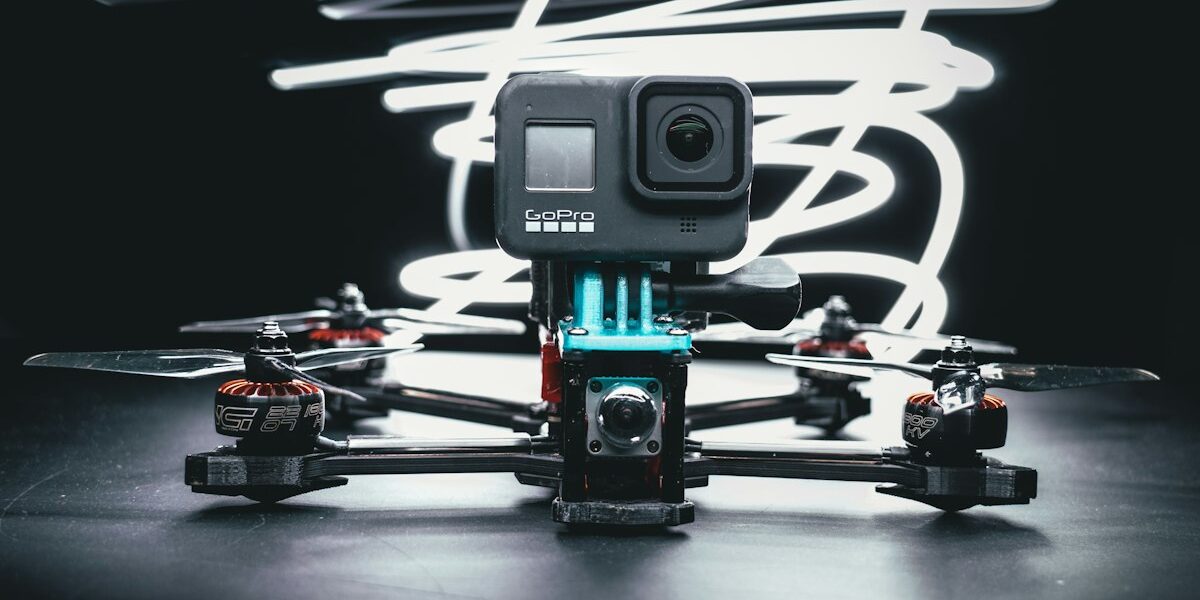
FPV Cinewhoop Builds: Cinematic micro drones carrying action cameras appreciate the extra punch LiHV provides. The additional thrust helps compensate for camera payload while maintaining agile maneuverability for dynamic shots.
When Standard LiPo Makes More Sense
LiHV isn’t universally superior. For larger battery configurations (4S and above on 5-inch quads), traditional LiPo remains the preferred choice among experienced pilots. The performance benefits of LiHV diminish with higher cell counts, and LiPo’s longevity advantages become more pronounced with expensive, high-capacity packs.
If you prioritize battery lifespan over maximum performance, LiPo delivers better long-term value. After 100 charge cycles, LiHV batteries typically lose around 5.4% of original capacity, while LiPo batteries lose only 3.8%. For pilots flying multiple packs daily, this degradation difference adds up over a season of flying.
Lifespan and Longevity Considerations
The higher voltage that gives LiHV its performance edge also accelerates aging. Charging to 4.35 volts stresses the battery chemistry more than the traditional 4.2-volt ceiling. This trade-off means LiHV batteries generally require replacement sooner than equivalent LiPo packs under similar usage patterns.
Smart pilots extend LiHV lifespan by charging to 4.25-4.30 volts instead of the full 4.35 volts. This practice sacrifices some performance benefit while significantly improving battery longevity—a worthwhile compromise for many applications.
Critical Charging Requirements
LiHV batteries require chargers with dedicated LiHV charging modes. Using a LiPo-only charger on an LiHV battery creates serious safety risks. The charger will stop at 4.2 volts per cell, undercharging the battery and leaving performance on the table. More dangerously, using incorrect settings can trigger thermal runaway and battery fires.
Before purchasing LiHV batteries, confirm your charger explicitly supports LiHV charging profiles. Most modern multi-chemistry chargers include this capability, but older or budget chargers may lack proper LiHV support. Never assume compatibility—always verify.
Storage and Maintenance Best Practices
Both battery types require similar care during storage. Store batteries at 3.8-3.85 volts per cell in a cool, dry location away from flammable materials. Never leave either type fully charged for extended periods, as this accelerates degradation.
For LiHV specifically, consider these additional practices:
- Avoid charging to maximum voltage unless you need peak performance for an upcoming flight
- Monitor battery temperature during charging—LiHV cells may run slightly warmer
- Replace LiHV batteries at the first sign of puffing, which may occur sooner than with LiPo cells
- Store LiHV batteries in fireproof containers, especially during the initial break-in period
Making the Right Choice for Your Drone
For sub-250g drones, the decision often favors LiHV technology. The weight savings and energy density improvements align perfectly with lightweight drone priorities. Tiny whoops, micro FPV racers, and ultralight camera drones all benefit from what LiHV offers.
Consider LiHV if you value maximum thrust, optimal weight distribution, and don’t mind replacing batteries slightly more frequently. Choose standard LiPo if longevity matters more than peak performance or if your charger lacks LiHV support.
Many pilots maintain both types in their collection, selecting LiHV for competition flights and demanding sessions while reserving LiPo packs for casual flying and practice. This hybrid approach maximizes the benefits of both technologies while managing the trade-offs effectively.
The Bottom Line
LiHV batteries offer meaningful advantages for sub-250g drone pilots: higher energy density, stronger initial punch, and better weight-to-capacity ratios. These benefits come at the cost of slightly reduced lifespan and the need for compatible charging equipment.
For the weight-conscious pilot building or flying under the 250-gram threshold, LiHV represents the more compelling choice in most scenarios. The technology’s strengths align precisely with what lightweight drone flying demands—maximum performance from minimum weight.



Stay in the loop
Get the latest light drones updates delivered to your inbox.