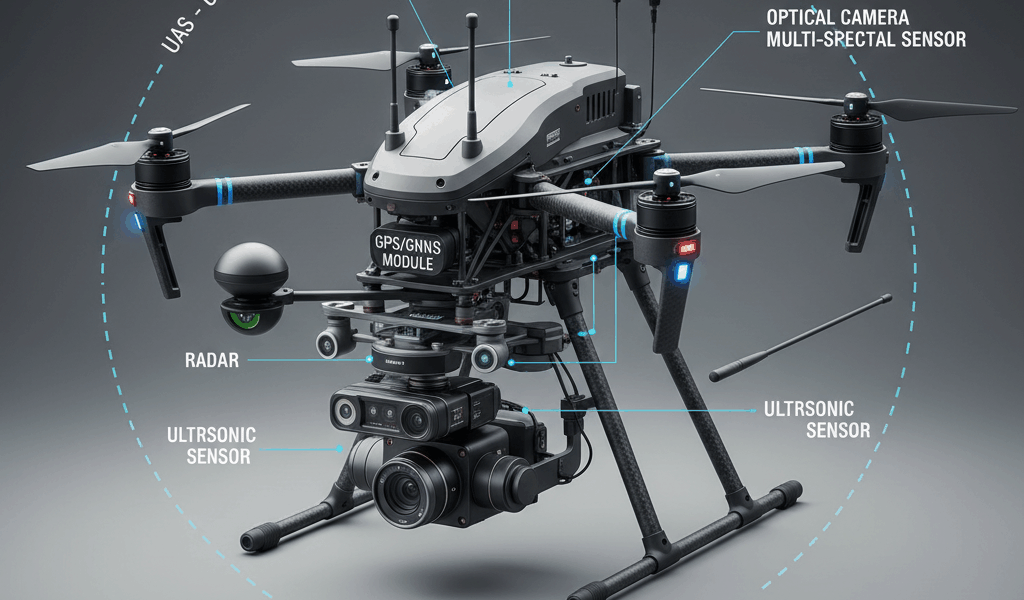
Complete Guide to UAS Technology and Innovation
Unmanned Aircraft Systems (UAS) technology continues advancing at remarkable pace, enabling applications that seemed impossible just years ago. From autonomous flight capabilities to artificial intelligence integration, understanding current and emerging technologies helps pilots, businesses, and enthusiasts maximize the potential of unmanned aviation. This comprehensive hub connects you to detailed resources exploring the technology driving the UAS revolution.
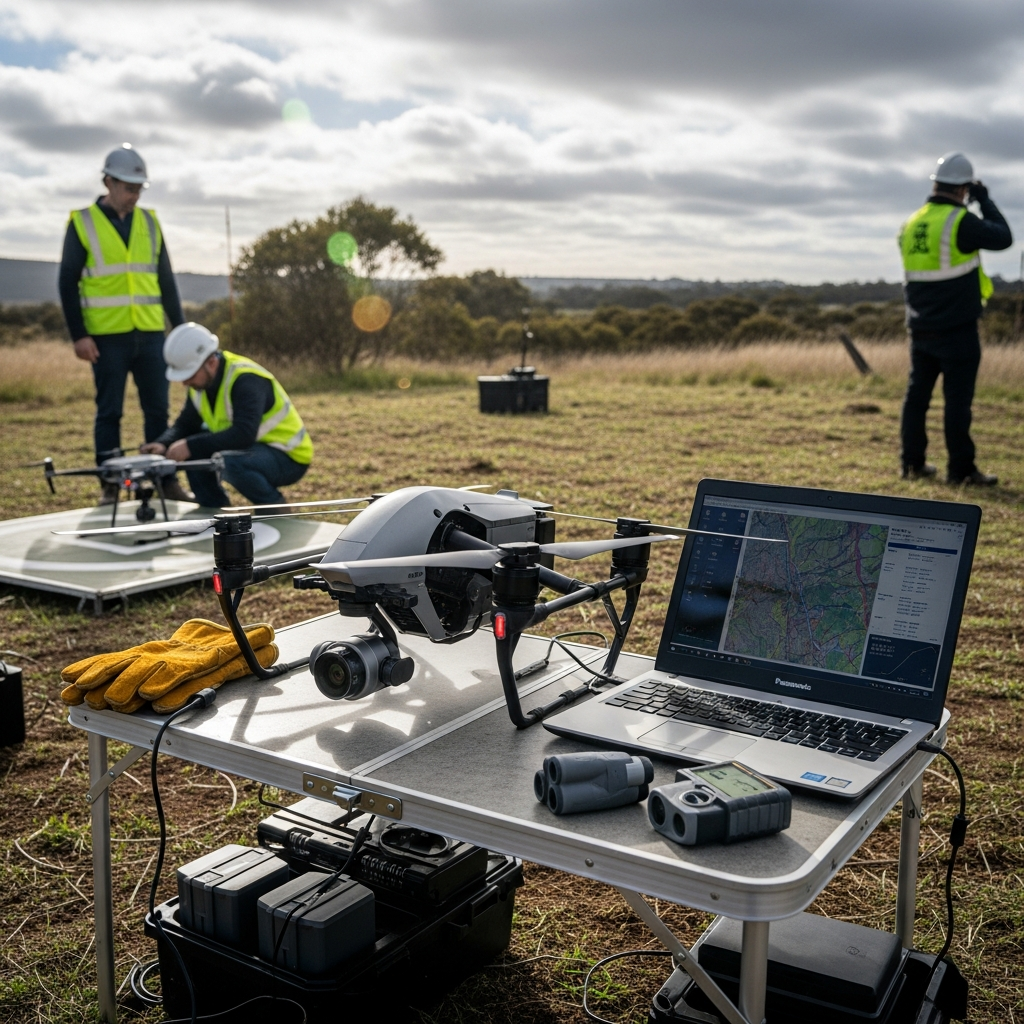
The distinction between UAS and UAV terminology reflects the complete system perspective modern operations require. Beyond the aircraft itself, successful operations depend on ground control systems, communication links, pilot training, and supporting infrastructure.
UAS Platform Categories
Military Classification Systems
UAS Groups 1-5 categorize military unmanned aircraft by weight and operating altitude. While civilian applications differ from military use cases, understanding these categories provides context for the technology evolution driving commercial capabilities.
Blue UAS initiatives address security concerns around foreign-manufactured aircraft in government applications. These programs drive domestic manufacturing development and security-focused design approaches.
Specialized Platforms
Silent Falcon and similar platforms demonstrate specialized approaches to specific mission requirements. Long-range capability extends operational reach for surveillance, delivery, and infrastructure monitoring applications.
Fixed-wing platforms offer efficiency advantages for extended missions covering large areas. Airplane-based designs leverage aerodynamic efficiency for maximum endurance.
Core Technologies
Flight Control Systems
Modern flight controllers process sensor data and pilot inputs to maintain stable, responsive flight. Gyroscopes, accelerometers, barometers, and GPS receivers contribute to systems that enable everything from automated hovering to complex autonomous missions.
Compact drone features pack impressive capability into minimal size and weight. Miniaturization advances continue expanding what small platforms can accomplish.
Communication Systems
Radio communication links connect pilots to aircraft across operational distances. Understanding communication technology helps diagnose connectivity issues and optimize system performance.
Video transmission technology enables FPV operation and real-time monitoring. Digital systems offer improved image quality while analog maintains latency advantages critical for racing applications.
Propulsion and Power
Brushless motors and lithium polymer batteries provide the power-to-weight ratios that make modern multirotors practical. Understanding motor specifications, battery chemistry, and efficiency factors enables informed equipment selection and operational planning.
Autonomous Capabilities
Waypoint Navigation
Autonomous waypoint following enables precise, repeatable flight paths for mapping, inspection, and monitoring applications. Pilots define routes that aircraft execute independently, enabling focus on sensor operation and data quality rather than manual flight control.
Obstacle Avoidance
Vision sensors and ranging systems enable aircraft to detect and avoid obstacles autonomously. These safety features reduce collision risk while enabling operation in complex environments that would challenge purely manual control.
Subject Tracking
AI-powered tracking maintains subjects in frame without manual gimbal control. These capabilities transform single-operator filming by automating camera work that previously required dedicated personnel.
Assessment and Operations
Performance Evaluation
UAS assessments evaluate system capabilities against operational requirements. Understanding assessment methodologies helps match equipment to mission needs and identify improvement opportunities.
Flight Documentation
Flight logging records operational data for maintenance tracking, regulatory compliance, and performance analysis. Systematic documentation supports professional operations and continuous improvement.
Emerging Technologies
Artificial Intelligence
Machine learning enables capabilities from automated inspection analysis to complex autonomous decision-making. AI integration transforms raw sensor data into actionable insights without human interpretation delays.
Advanced Materials
Carbon fiber composites, advanced polymers, and innovative manufacturing techniques continue reducing weight while improving durability. Material advances enable larger payloads, longer flight times, and improved crash survivability.
Future Flight Concepts
Future technology development points toward capabilities including enhanced autonomy, improved endurance, and new sensor modalities. Tracking technological trends helps anticipate opportunities and plan capability investments.
Support Technologies
Audio Equipment
Wireless microphone systems complement aerial video production. Understanding supporting technologies enables comprehensive production workflows.
Emergency Systems
Emergency beacons and recovery systems protect equipment investments and enable location following incidents. Safety technology investments provide insurance against operational mishaps.
Career Development
UAS careers span technical, operational, and business roles across growing industries. Understanding technology enables effective contribution regardless of specific position. Continuous learning maintains relevance as capabilities evolve.
Looking Forward
UAS technology evolution shows no signs of slowing. Regulatory frameworks mature to accommodate new capabilities. Market adoption expands as costs decrease and applications multiply. Organizations and individuals engaging with UAS technology position themselves at the forefront of a transformation affecting industries from agriculture to entertainment, logistics to public safety.
Understanding the technology powering unmanned aviation enables informed decisions about equipment, training, and career development. This foundation supports success regardless of how specific applications evolve.


Stay in the loop
Get the latest light drones updates delivered to your inbox.