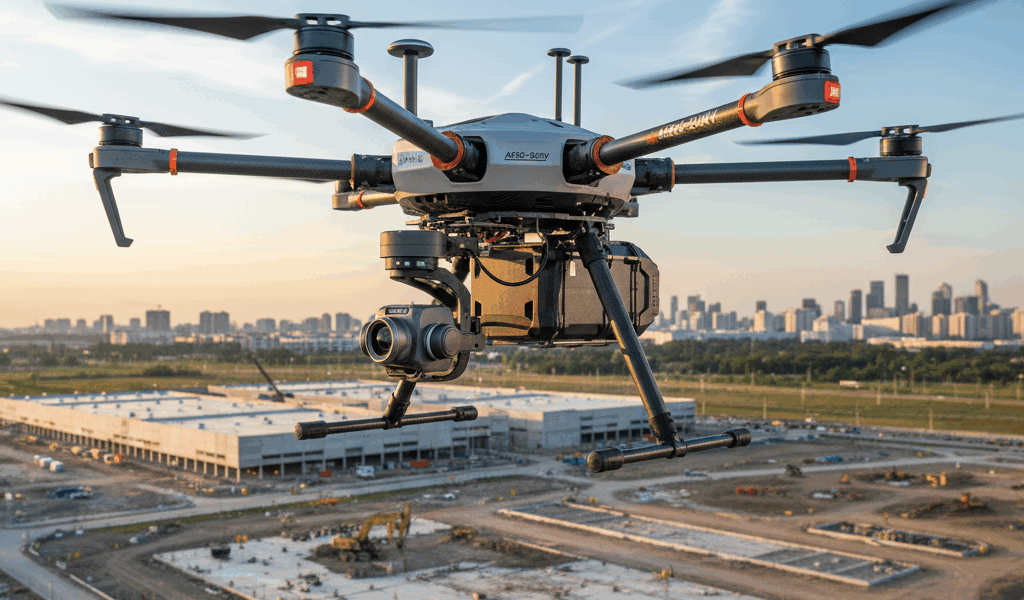
The Rise of Commercial Drone Operations
Commercial drone operations have transformed from experimental curiosity to essential business tool across nearly every industry imaginable. What began as military technology adapted for aerial photography has evolved into a multi-billion dollar sector encompassing inspection services, delivery logistics, agricultural monitoring, and countless specialized applications. This comprehensive hub explores the commercial drone landscape, connecting you to detailed resources on specific applications, equipment, and business considerations.
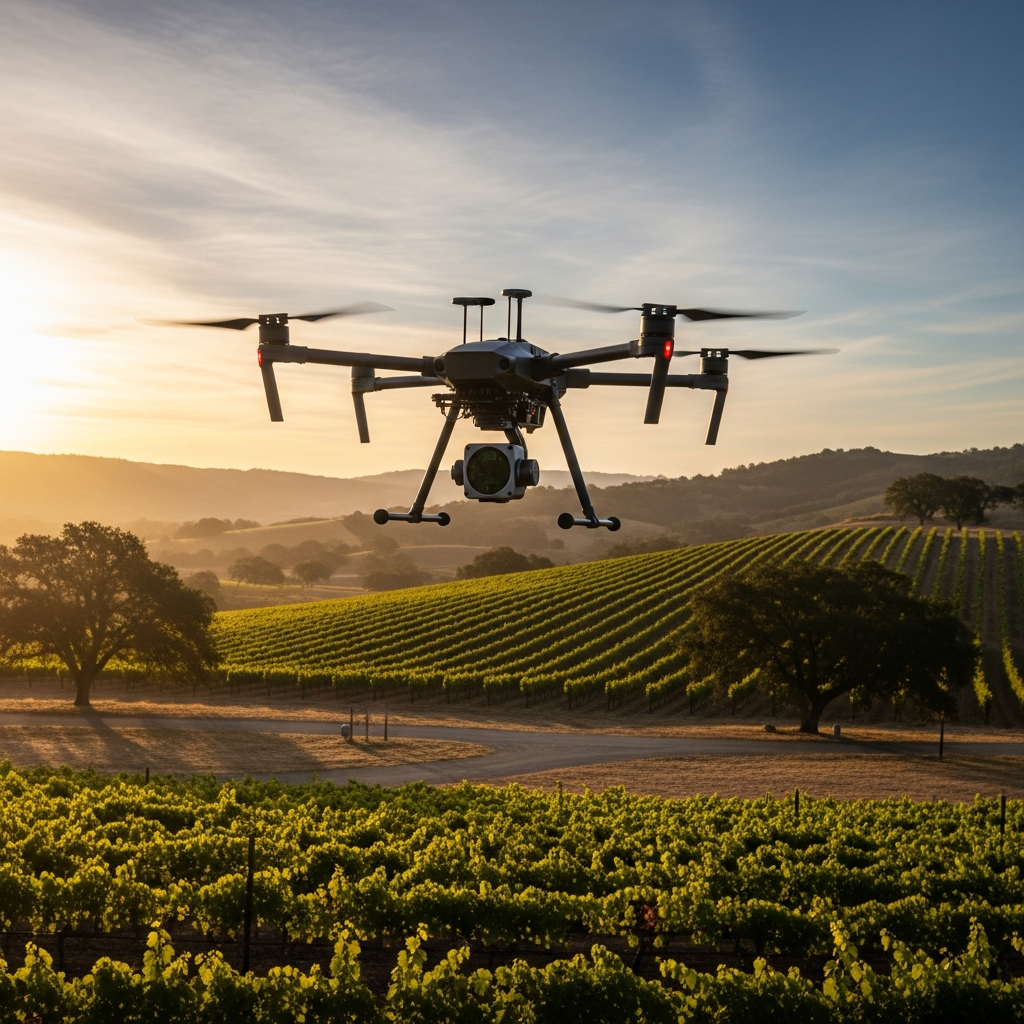
The commercial drone market continues expanding as businesses discover new applications for unmanned aerial systems. From Amazon’s expanding delivery network to construction site monitoring and insurance assessments, drones provide capabilities previously available only through expensive manned aircraft or impractical ground-based alternatives.
Commercial Applications by Industry
Construction and Infrastructure
Construction represents one of the largest commercial drone markets. Site managers use aerial platforms for progress monitoring, volumetric measurements, and safety inspections. Drones capture weekly or monthly imagery documenting project development, creating visual records invaluable for billing verification and dispute resolution.
Infrastructure inspection extends drone utility to bridges, buildings, and industrial facilities. Specialized inspection services deploy aircraft equipped with zoom cameras and thermal sensors to identify structural issues without scaffolding or lane closures. This approach reduces inspection costs while improving safety for workers who previously performed dangerous manual inspections.
Energy and Utilities
Power companies deploy drones for cell tower inspections and transmission line monitoring. Aircraft equipped with thermal cameras identify overheating components before failures occur. Solar and wind installations benefit from aerial inspection capabilities that cover vast arrays efficiently.
Pipeline monitoring represents another significant energy application. Drones survey pipeline corridors detecting leaks, encroachment, and maintenance needs along routes that would require weeks to inspect on foot.
Agriculture
Agricultural drones provide farmers unprecedented visibility into crop conditions. Multispectral sensors reveal plant stress invisible to the naked eye, enabling targeted interventions that reduce input costs while improving yields. Precision agriculture platforms integrate drone imagery with variable-rate application equipment for optimized resource deployment.
Insurance and Real Estate
Insurance companies use drones for property assessments and claims documentation. Roof inspections that previously required adjusters climbing ladders now complete safely and quickly from the air. Real estate marketing benefits from aerial photography showcasing properties from compelling perspectives.
Commercial Drone Services Business Model
The drone-as-a-service model enables businesses to access aerial capabilities without capital equipment investment. Service providers offer everything from basic photography to complex mapping deliverables, allowing clients to focus on their core businesses while specialized operators handle flight operations.
Leading service providers invest in equipment, training, and regulatory compliance that individual businesses would struggle to maintain. This specialization produces higher quality results at lower effective costs than in-house programs for organizations with intermittent drone requirements.
Building a commercial drone business requires understanding client needs, regulatory requirements, and operational capabilities. Consulting services help organizations develop programs matching their specific requirements and resources.
Commercial Drone Equipment
Enterprise Platforms
Enterprise drones designed for commercial applications differ significantly from consumer products. The DJI Mavic 3 series bridges consumer and commercial markets with professional image quality in portable packages. For demanding applications, the Mavic 3 Enterprise adds thermal imaging and RTK positioning capabilities.
Heavy-lift platforms like the Matrice 350 RTK carry specialized payloads including LiDAR sensors, high-resolution cameras, and multispectral imaging systems. The DJI M30T offers integrated thermal capability in a more compact package suitable for inspection applications.
Specialized Sensors
Thermal imaging enables applications from search and rescue to industrial inspection. The DJI thermal platform and Autel 640T provide varying capabilities for different application requirements.
Mapping applications benefit from RTK positioning that enables centimeter-level accuracy. The Phantom 4 RTK established this capability for photogrammetric applications, while newer platforms extend RTK benefits to broader use cases.
Regional Market Development
Commercial drone services concentrate in major metropolitan areas but extend nationwide. Florida companies serve construction, agriculture, and tourism markets. Atlanta providers focus on commercial real estate and infrastructure inspection.
Local drone pilots serve markets where travel costs make national providers impractical. This distributed service model ensures availability across geographic regions while supporting local business development.
Commercial Drone Operations Best Practices
Safety Considerations
Commercial operations require systematic safety approaches exceeding recreational flying standards. Pre-flight checklists verify equipment condition and operational readiness. Comprehensive safety programs address crew training, emergency procedures, and risk management.
Equipment Management
Commercial programs invest in accessories and support equipment that maximize operational efficiency. Understanding components enables effective maintenance and troubleshooting that minimizes downtime.
Career Opportunities
The expanding commercial drone sector creates employment opportunities across technical and business roles. Job growth continues as more industries adopt drone technology. Career paths range from flight operations to data analysis, sales, and program management.
Future of Commercial Drones
Commercial drone applications continue evolving as technology advances and regulations mature. Companies like Skydio develop autonomous capabilities enabling new operational possibilities. Delivery services from Amazon and others point toward logistics applications that could transform e-commerce and supply chain management.
The commercial drone sector offers tremendous potential for businesses seeking competitive advantages through aerial capabilities. Whether through service providers or in-house programs, organizations across industries find drone technology increasingly essential to efficient, safe, and cost-effective operations.

Stay in the loop
Get the latest light drones updates delivered to your inbox.