Drone Why Mini Drones Need Specializ guidance has gotten complicated with all the outdated regulations and conflicting advice flying around. Here’s what you actually need to know.
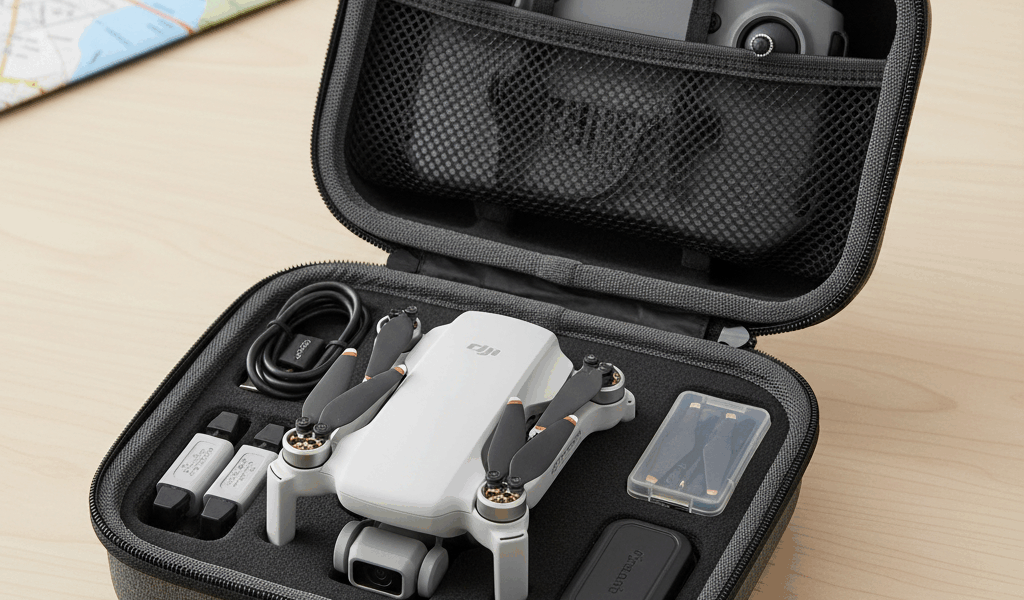
Your sub-250g drone represents a significant investment in portable aerial photography. Protecting that investment during transport requires a case designed specifically for lightweight drones—one that shields your aircraft without adding unnecessary bulk to your travel kit.

This article includes affiliate links. We may earn a commission at no extra cost to you.
Why Mini Drones Need Specialized Cases
Standard drone cases designed for larger aircraft often overwhelm sub-250g drones with excessive padding and wasted space. A case engineered for mini drones provides form-fitting protection that cradles your specific model while maintaining the portability that made lightweight drones attractive in the first place.
The compact nature of mini drones creates unique protection challenges. Gimbal assemblies remain vulnerable to impact damage. Propellers can bend during compression. Battery compartments need ventilation. Purpose-built cases address these concerns without the bulk of universal solutions.
Hard Shell Cases: Maximum Protection
Hard shell cases offer the highest level of impact protection for your mini drone. Constructed from ABS plastic or polycarbonate materials, these cases resist crushing forces and protect against drops that would destroy softer alternatives.
The DJI Mini series benefits particularly from hard shell options. Manufacturers produce form-fitting inserts that hold the drone, controller, batteries, and charging accessories in dedicated compartments. This organization prevents components from shifting during transport while ensuring nothing gets left behind.
Weight penalties remain the primary drawback. A quality hard shell case adds 300-500 grams to your total carry weight—sometimes doubling what the drone itself weighs. For backpacking or travel where every gram matters, this trade-off requires consideration.
Semi-Rigid Cases: Balanced Protection
Semi-rigid cases combine a structured exterior with flexible construction materials. These cases typically feature EVA foam shells that resist impact while compressing slightly under pressure. The result provides meaningful protection without hard shell weight penalties.
Most semi-rigid cases designed for sub-250g drones weigh between 150-250 grams. They protect against common hazards—drops from table height, compression in packed bags, and minor impacts during handling—while remaining genuinely portable.
Interior organization varies widely among semi-rigid options. Better designs include elastic loops for propellers, mesh pockets for cables, and padded dividers that adapt to your specific accessory loadout. Avoid cases with fixed foam cutouts that limit flexibility.
Soft Pouches: Ultimate Portability
Soft carrying pouches prioritize weight and packability above all else. Made from nylon, neoprene, or similar fabrics, these solutions add minimal weight—often under 100 grams—while providing basic scratch and dust protection.
Soft pouches work best for careful travelers who prioritize portability over impact protection. They excel for short trips where the drone travels in a larger protected bag. As standalone protection for checked luggage or rough handling, soft pouches fall short.
Many pilots use soft pouches as secondary protection, storing the pouched drone inside backpacks with other padded contents. This layered approach provides reasonable protection while maintaining the ultralight advantage.
Shoulder Bags and Slings
Dedicated shoulder bags designed for mini drones offer hands-free carrying with quick access during flights. These bags typically hold the drone, controller, 2-4 batteries, and essential accessories in a compact profile worn across the body.
Sling-style bags excel for active shooting where you need rapid deployment between locations. The crossbody design keeps your kit accessible while hiking, biking, or moving through crowded environments. Many pilots prefer this style for documentary and travel work.
Look for bags with water-resistant exteriors and ventilated battery compartments. Interior organization should match your typical loadout—too many empty pockets waste space while too few create jumbled chaos.
Backpack Integration Options
Rather than carrying a dedicated drone bag, many pilots integrate mini drone storage into existing camera or travel backpacks. This approach works particularly well for photographers already carrying substantial gear.
Modular insert cubes designed for sub-250g drones fit into standard camera bag compartments. These padded cubes protect your drone while living inside backpacks designed for other purposes. The flexibility proves valuable for pilots who don’t want single-purpose bags.
Some backpack manufacturers now offer drone-specific compartments in hybrid designs. These bags accommodate both camera gear and drone equipment in purpose-built sections, eliminating the need for separate bags entirely.
Waterproof Considerations
Water represents an existential threat to drone electronics. While most mini drones lack any water resistance, protecting them during transport through wet environments requires waterproof case options.
Pelican-style cases with gasket seals offer complete waterproof protection for extreme conditions. These cases survive submersion, rain, and high-humidity environments that would compromise lesser protection. The weight penalty runs significant—often 500+ grams—but protection proves absolute.
For moderate water exposure, water-resistant soft cases provide practical protection at lower weight. These won’t survive dunking but handle rain, splashes, and humid conditions effectively. Check seam construction and zipper quality before trusting valuable electronics to any water-resistant claim.
Travel and TSA Considerations
Flying with drone gear introduces security screening complexity. Cases that organize batteries visibly and provide easy access for inspection smooth the TSA experience considerably.
Lithium batteries must travel in carry-on luggage—never checked bags. Your case design should accommodate this requirement while keeping batteries organized and protected during screening. Some cases include dedicated battery pouches designed for easy removal and inspection.
Clear-top cases that display contents without opening provide advantages at security checkpoints. Inspectors can see your organized gear without handling everything, speeding your passage through screening lines.
Choosing the Right Protection Level
Match your case selection to actual use conditions rather than worst-case scenarios. A photographer hiking to remote locations needs different protection than someone flying exclusively at local parks.
Consider your complete travel context. If the drone case rides inside a larger protected bag, lighter protection suffices. If the drone case travels alone in overhead bins or car trunks, harder protection proves worthwhile.
Many serious pilots own multiple case options—a hard shell for travel, a soft pouch for daily use, and perhaps a shoulder bag for active shooting. This flexibility matches protection to situation without permanent weight penalties.
The Bottom Line
Protecting your sub-250g drone requires balancing weight, bulk, and protection level against your actual usage patterns. Hard shells provide maximum security at maximum weight. Soft pouches maintain portability while accepting protection trade-offs. Semi-rigid cases and shoulder bags offer middle-ground solutions for most pilots.
Invest in protection appropriate to your equipment value and travel style. The best case keeps your drone safe while remaining something you’ll actually use consistently—protection only works when the case travels with the drone.

Stay in the loop
Get the latest light drones updates delivered to your inbox.